
Energy Systems for Mars Colonies
[ An Introduction to Powering Life on the Red Planet]
Introduction
Building a human colony on Mars is no longer just science fiction. Space agencies and private companies are already planning real missions. But one big question stands out: how will people get reliable energy on Mars?
Energy Systems for Mars Colonies (introduction post) explores the basic ideas behind powering future settlements on the Red Planet. Energy is needed for oxygen, water, food, heating, and communication. Without it, long-term human life on Mars is impossible.
In this introduction, we look at why energy matters so much on Mars and how smart energy systems could support the next giant step in human civilization.
Featured Image (suggestion only)
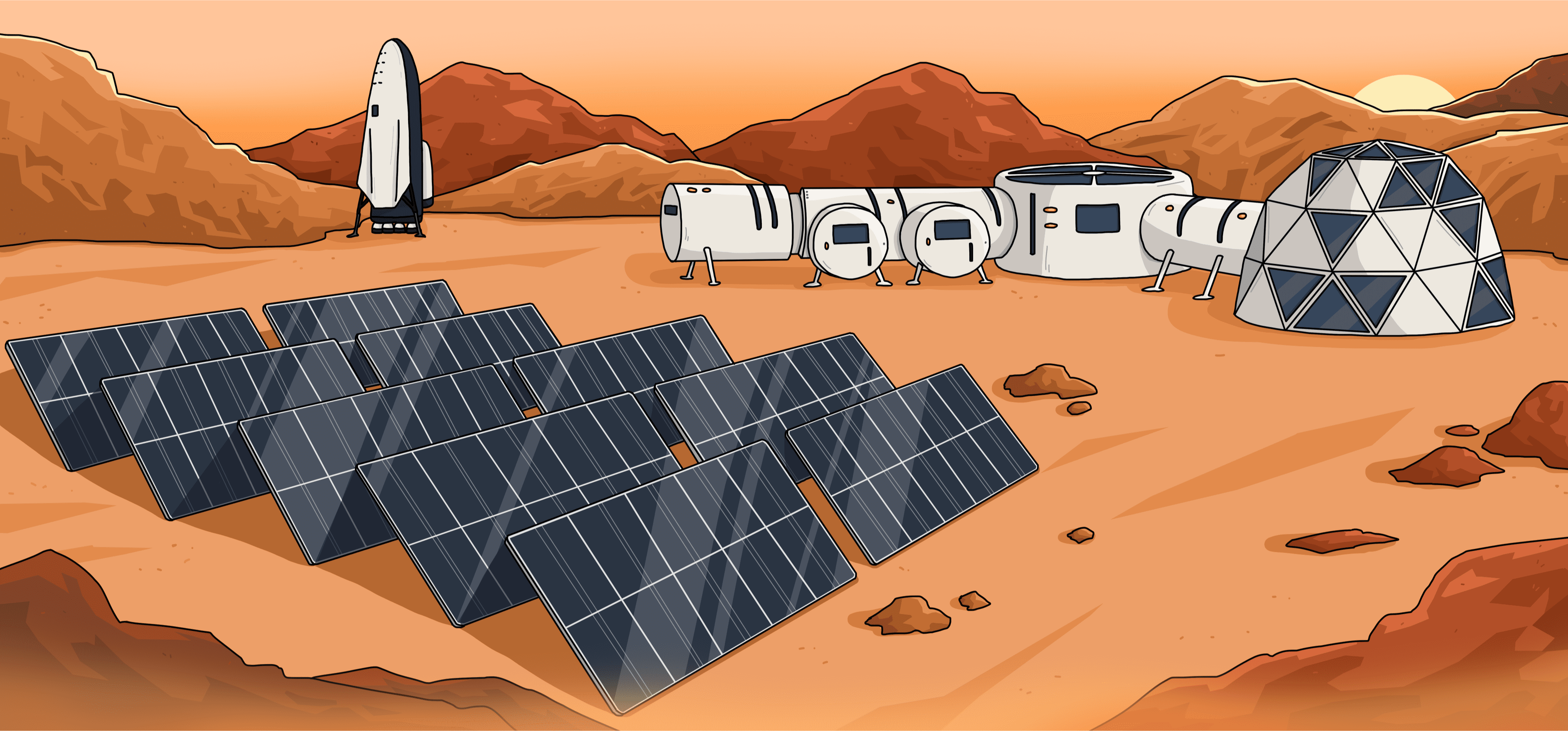
A wide illustration of a Mars colony with solar panels, small nuclear reactors, and habitats glowing under a dusty red sky.
Main Content
Energy Systems for Mars Colonies: Introduction Post
Energy systems for Mars colonies are the backbone of survival beyond Earth. Mars has no global power grid, no fossil fuels ready to burn, and extreme weather conditions. Every unit of energy must be carefully produced, stored, and reused.
Future colonies will depend on local energy sources that are reliable, efficient, and safe. These systems must work day and night, during dust storms, and through freezing temperatures.
Why Energy Is a Unique Challenge on Mars
Mars receives less sunlight than Earth. Its atmosphere is thin, and dust storms can block sunlight for weeks. This makes energy planning very different from what we are used to on Earth.
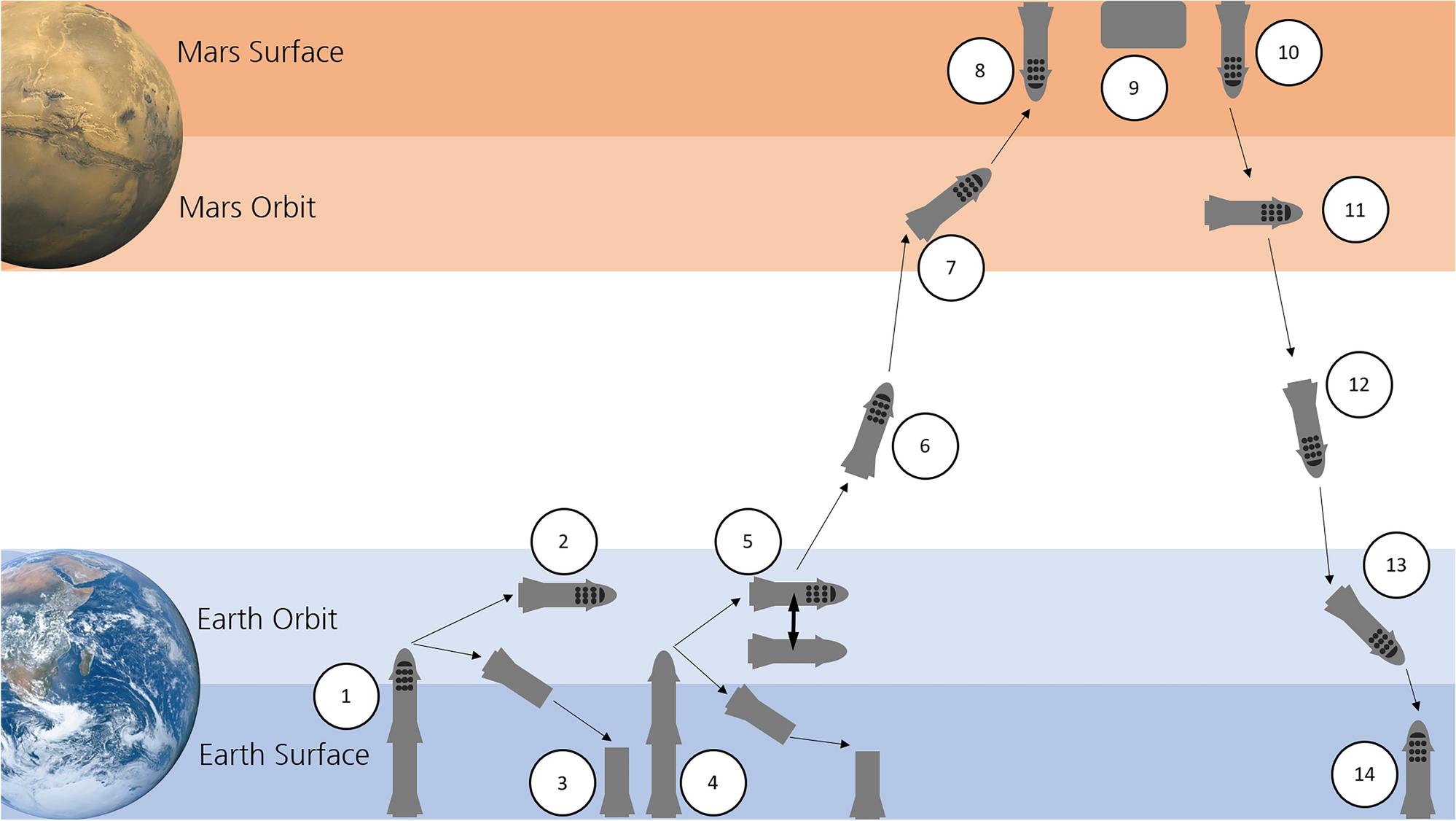
Most early Mars missions planned by organizations like NASA and companies such as SpaceX focus heavily on power systems. Energy is needed to produce oxygen from carbon dioxide, melt ice into water, and keep habitats warm.
Main Energy Options Being Considered
Solar power: Clean and proven, but weaker on Mars
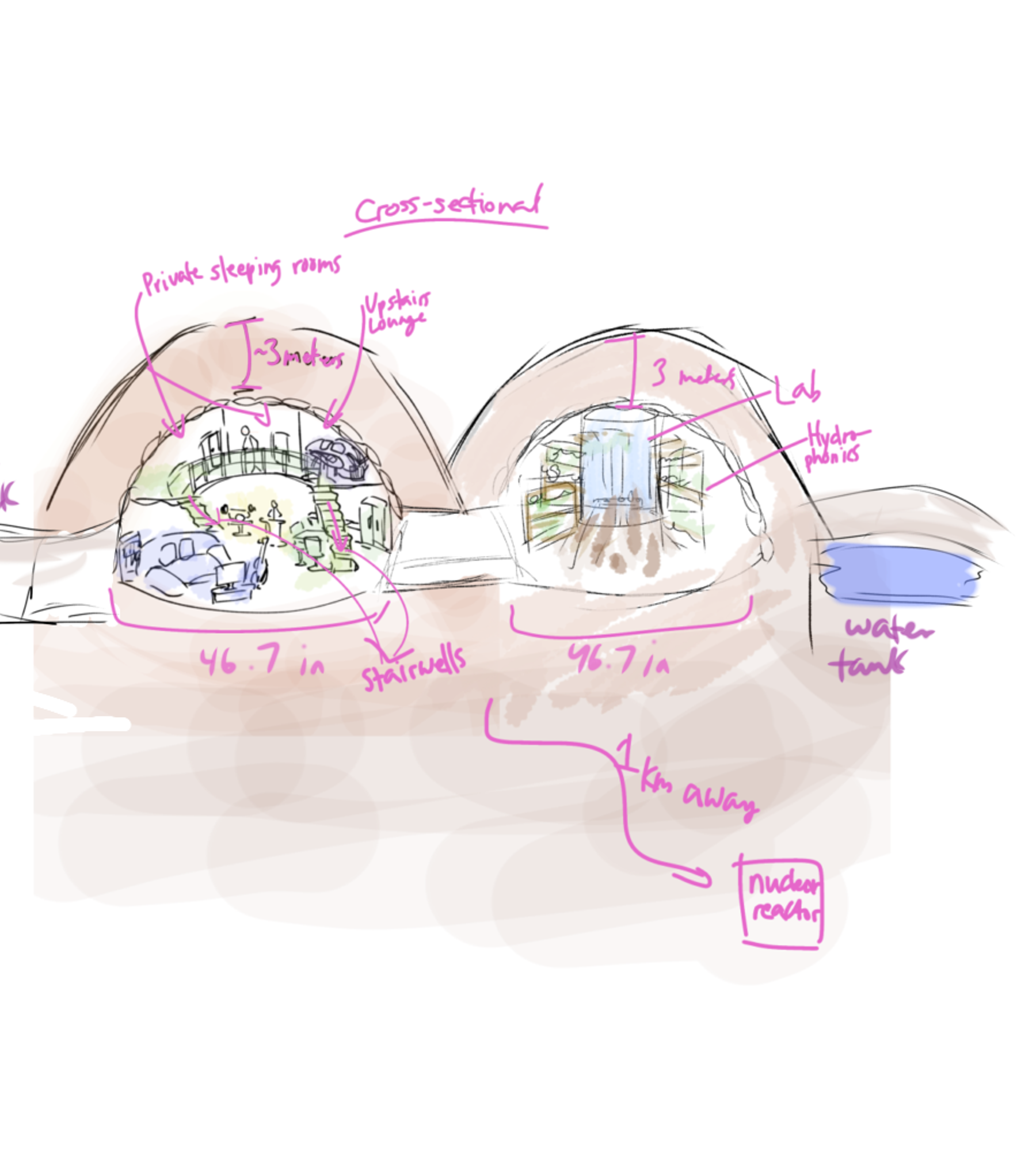
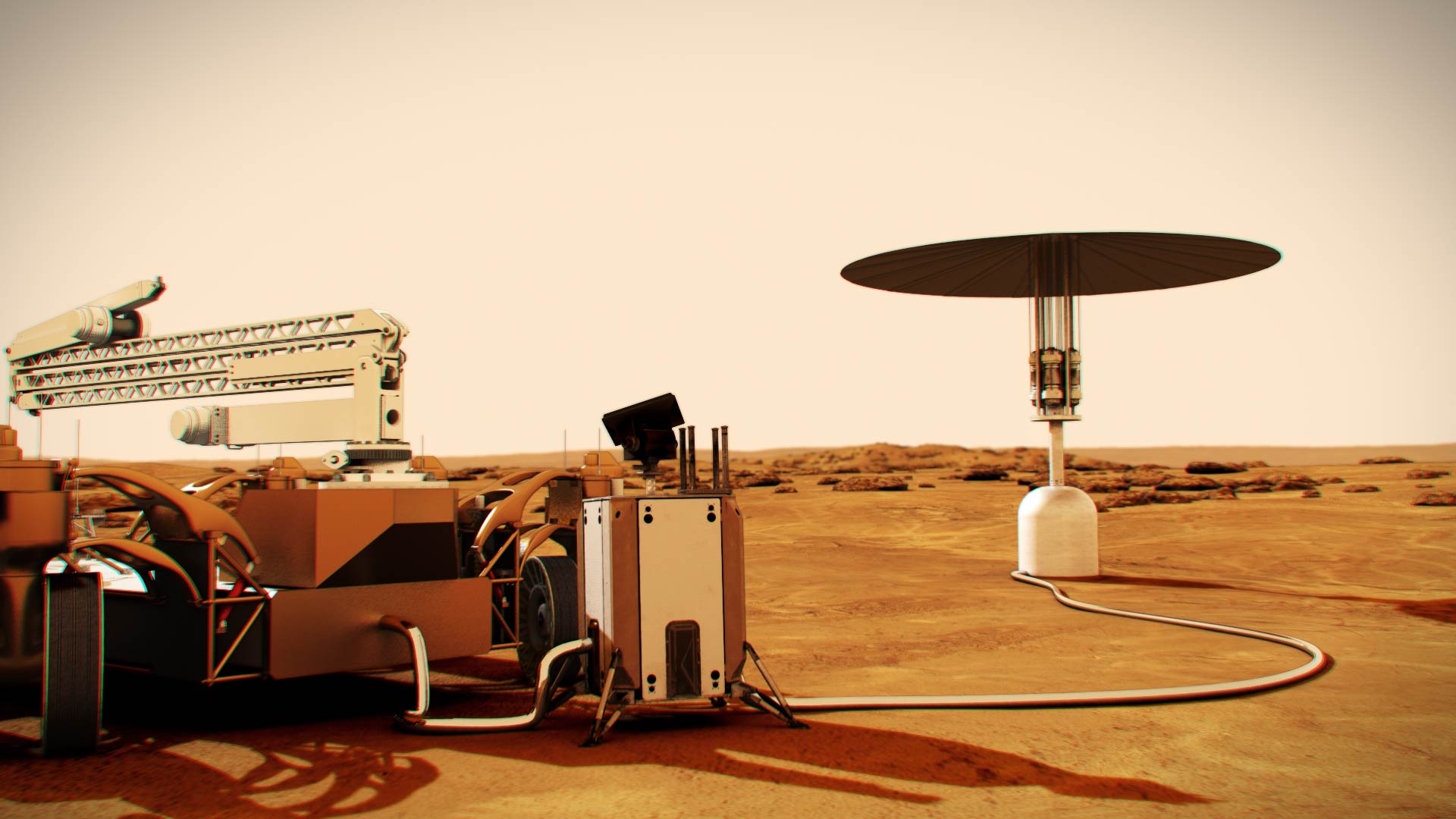
Nuclear power: Stable and powerful, even during dust storms
Energy storage systems: Batteries and fuel systems to store power
Each option has strengths and limits. Future colonies will likely use a mix of systems rather than relying on just one.
Benefits of Strong Energy Systems for Mars Colonies
Reliable energy systems make everything else possible. With enough power, settlers can grow food, recycle air and water, and expand habitats safely.
Energy systems for Mars colonies also help test technologies that could improve life on Earth. Better batteries, smarter grids, and cleaner power sources developed for Mars may later be used in remote or harsh environments on our own planet.
Most importantly, mastering energy on Mars brings humanity closer to becoming a multi-planet species, with Mars as our first new home.
Images / Media (suggestions)

Conclusion
Energy systems for Mars colonies are not just technical details. They are the foundation of survival, growth, and long-term human presence beyond Earth.
As we improve power generation and storage for Mars, we also learn how to build a more resilient and sustainable future for humanity—both on Earth and far beyond it.